
This Is Why Book Clubs Exist
Furthur connecting: Gilded Age coincidences and contemporaries

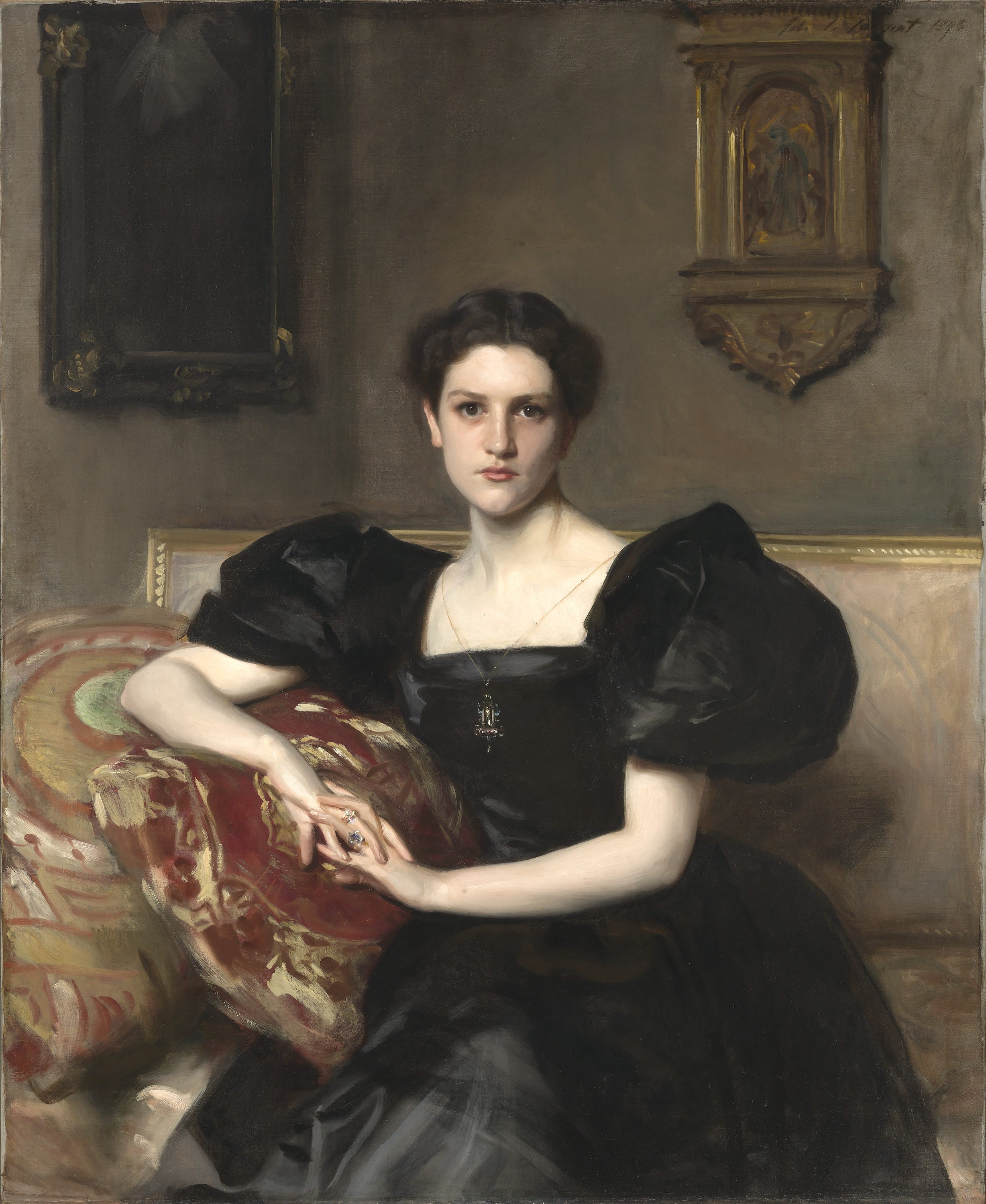
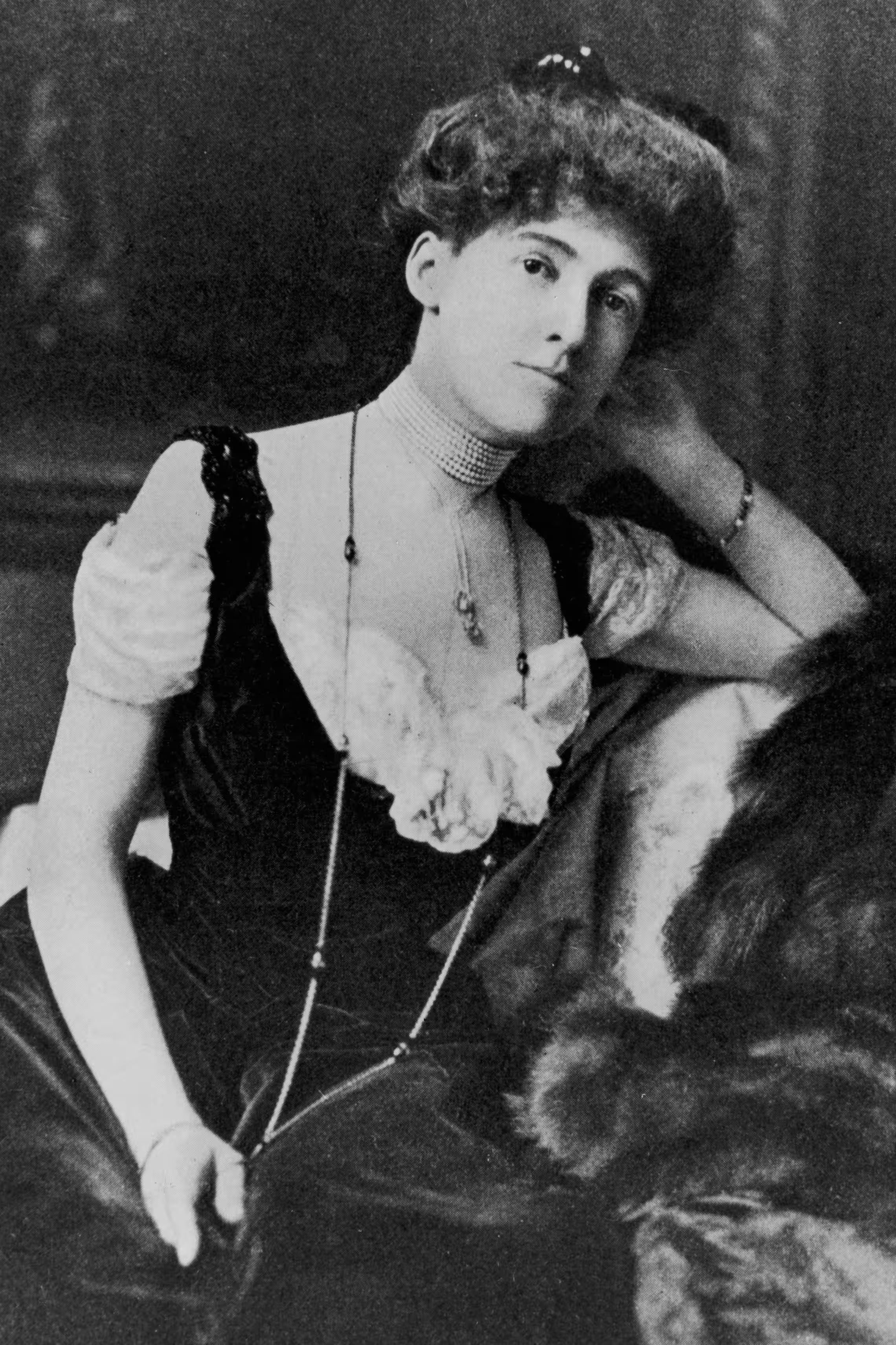
When I first sent out a group text announcing the details for The House of Mirth book club, one of the book clubbers sent through the above Gilded Age portrait of a high society lady, Elizabeth Winthrop Chanler. Perhaps because it could very well have been a portrait of the 29-year-old Lily Bart, fictional protagonist in Edith Wharton’s novel; it also could have been a portrait of the novelist herself.
The following day, by total coincidence, another book clubber sent me a picture of his copy of The House of Mirth, which unbeknownst to him integrated the same Sargent painting into the cover design—which feels like a sign! Of what?
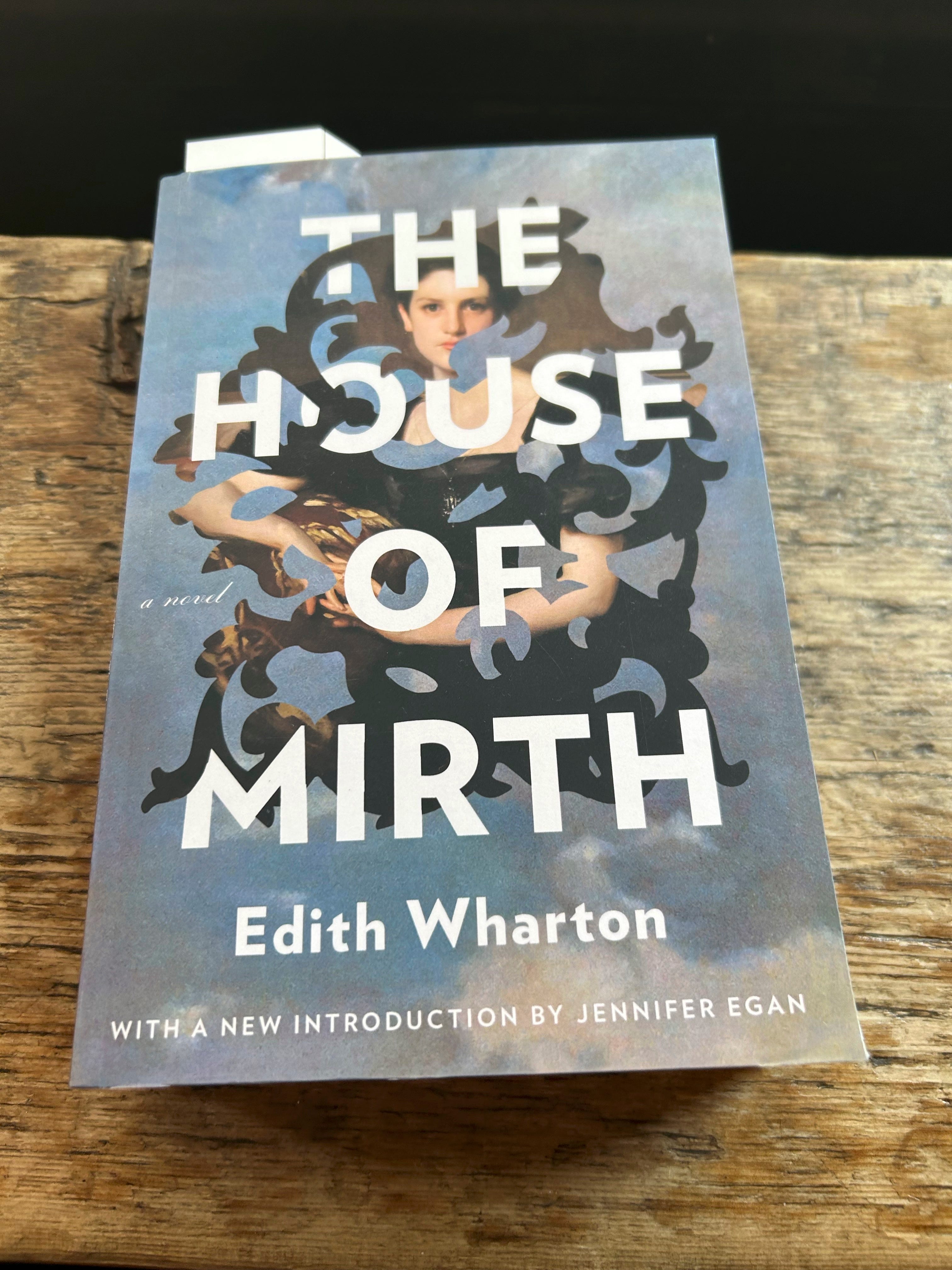
In my heart of hearts, I don’t believe in signs, but for me, this particular sign felt believable because it underscored my feeling of “this is why book clubs exist” that bubbles up every time I pull a motley crew of people together around a literary work.
Reading books is generally a solitary experience, which I love. But being part of a book club can expand a book into a salon of sorts, which I love even more because it means that I get to cook for people while listening into eclectic bits of conversation. I don’t know if that’s how it goes for all book clubs everywhere, but that’s how it is if I have anything to do with it, since I strongly believe that food ought to be home base for any gathering—in principle but also in small part because the thought of hosting a group of acquaintances and even friends is less anxiety-inducing when I have something to do with my hands.
If it sounds pretentious to liken a book club to a salon, well, you should come to one of ours sometime! No one is an expert in literature or drama or literary history, but each person brings in her own interests and perspectives and sense of comedy and personal history and gaps in knowledge… I’d like to think that everyone takes more away from the meeting than they took away from the reading itself, to leave the meeting wondering, “Okay, what next and when?”
Quick history lesson, especially because I hated history class in school and it is thus a huge gap in knowledge for me: the Gilded Age describes an era of ostentatious, materialistic excess following Reconstruction (at least, among the upper classes and holders-of-power)—which coincided with the Belle Époque in France (where both Sargent and Wharton spent part of their lives). The only reason I know about the Belle Époque, truly, is because I saw it was the time period for a scene in Midnight in Paris.
Anyway, one of the readers in my book club happens to be pretty well versed in art history, so that’s what led me down this particular rabbit hole for this particular book. Of course, if you, too, were to know your American turn-of-the-century art history, you’d immediately recognize the portrait of Elizabeth Winthrop Chanler as one of John Singer Sargent’s paintings, an American artist who would produce many such high society portraits during this period—of not only the American elite but the European elite as well.

In rummaging around the internet to read more about Sargent (I was on the hunt for more coincidences and signs), I came across a recent article with this assessment of his work: “Turn-of-the-century high society is a hard place to get comfortable in. Few Sargent sitters seem completely at home there, though not so distressed as to up and leave. Few seem at home in their own clothes, even. The jewels pull, the gowns prickle and squeeze. Everyone seems to be breaking in a brand-new costume.” - Jackson Arn, from his review of Family Romance: John Singer Sargent and the Wertheimers.
The portrait of “Madame X” was painted in France but is a portrait of the American expat Madame Virginie Amélie Avegno Gautreau, who with her youth and beauty had made her way into Parisian high society. The contrived twist of her neck exposes her face in full profile. The backlash they both faced because of this portrait is worth reading about, but I’ll skip over it as you can read about it in the link included in the caption above.
That twist is something that I’ll go back to as I read about Lily Bart who gets twisted up and torn apart by the people, place, and era that are recreated in both The House of Mirth and Sargent’s portraiture.